Sunday, November 22, 2015

Thursday, November 12, 2015
Sheep Heart Disection Lab Questions
1. What's the purpose of the pericardium?
The pericardium surrounds and protects the heart. It also acts as an anchor keeping the heart in the chest cavity. The serous membranes of the pericardium act as lubricant for the heart as well.
2. Observe the blood vessels connecting to the hart. How do arteries differ from veins in their structure?
Arteries have thicker walls in general. Although they cannot be seen, veins contain valves that regulate the flow of blood throughout the vein while arteries do not.
3. What function do you think the auricle serves?
The auricle expands the blood volume capacity of the atria.
4. What differences do you observe between the atria and ventricles?
The atria are much smaller and thinner. The ventricles contain much more muscle and have thicker walls. The atria are located above the ventricles.
5. Use words or pictures to describe each
A. coronary sinus
This is a blood vessel that goes across the back of the heart and connects to the right atrium.
B. inferior vena cava
The inferior vena cava cannot be seen during the heart dissection as it appears to be have cut off when we relieved the heart.
C. tricuspid valve
Contains three flaps that open and close. The valve cusps are connected to the chordate tendinae which connect to the papillary muscles.
6. Draw a picture of the tricuspid valve including the chordate tendinae and the papillary muscles.

7. Why is the anchoring of the valves by the chordate tendinae and the papillary muscle important to heart function?
The anchoring is important so that the valve can function efficiently. The anchoring prevents the valve from flapping around in the blood stream and makes sure the valve stays in place. This will ultimately help make sure the blood does not back flow.
8.

9. What is the function of the semi-lunar valves?
The semi-lunar valves include the aortic and pulmonary semi-lunar valves. The aortic semi-lunar valves regulate the blood flow into the aorta while the pulmonary semi-lunar valve regulates blood flow into the pulmonary trunk.
10. valvular heart disease is when one or more heart valves does not work properly. Improperly functioning heart valves can lead to regurgitation, which is the backflow of blood through a leaky valve. Ultimately this can lead to congestive heart failure, a condition that can be life threatening.
A. If the valve disease occurs on the right side of the heart, it results in swelling in the feet and ankles. Why might this happen?
Because the blood is supposed to leave the feet and ankles and go through the right side of the heart, but with this disease, there is a backflow of blood because the valves are improperly functioning
B. If the valve disease occurs on the left side of the heat what complications would you expect to see?
You would see that you aren’t getting a sufficient enough of blood to the muscles and body
11.
A. entrance to the right and left coronary arteries: they connect to the aorta and they revolve around the back of the heart
B. left aortic semi-lunar valve: looks like a flap
C. chordae tendinae of the bicuspid valve: looks like fibrous and tendon-like chords that connect the valve to the papillary muscle
D. papillary muscle of the bicuspid valve: connects to ventricle, little lump of muscle
bicuspid valve: contains two flaps
12. Describe how the left and right sides of the heart differ from each other.
The left side of the heart tends to contain thicker wall as it is necessarily for this side of the wall to have more cardiac muscle tissue in order to pump blood throughout the body. The right side of the heart does not need to contain much cardiac muscle tissue as it only needs to pump blood to the lungs
13. Draw and label all the structures visible in the interior of the cross section.

Wednesday, November 11, 2015
Unit 3 reflection
This unit was all about the cardiovascular system of the human body. We went into the the function and structure of the cardiovascular systems as well as the different parts it is composed of such as the heart, the blood vessels, and blood. The cardiovascular system provides oxygen and transport nutrients and waste throughout all of the cells in the human body. The pump is the heart, which contracts and relaxes its chambers to pump blood throughout the different blood vessels in the human body. The blood then goes to the lungs where it gains oxygen and this oxygen is then carried by the blood and pumped to all of the cells of the human body. Cardiovascular health relates primarily to the health of the heart and blood vessels. This includes having a healthy blood pressure that is around 120/80, eating healthily and exercising regularly. Normally heart disease, is caused by plaque build up in the arteries, a condition called atherosclerosis. This is primarily as a result of a poor diet with high LDL cholesterol and low HDL cholesterol. As a result the arteries can even swell up and an aneurysm can occur, or get blocked by the plaque and cause a heart attack. The primary thing to do to prevent this from happening is eating healthily and exercising.
This unit for me was the most interesting out of all of the units we have done so far. I am fascinated by the structure and function of the heart and how critical the organ is to our survival. The cardiovascular system is incredibly complex and learning about all of the different structures it contains and functions it has was interesting. This unit I did feel I studied much more frequently and did not cram as much as I did for the last unit. I studied incredibly hard for the temp checks that we had and that allowed me to remember most of the information for the test. All I needed to do was review and test myself in order to prepare for the test. One setback I did encounter was the notebook check. I realized my notebook became more and more disorganized and as a result I had forgotten to do one relate and review causing me to lose 10 points. I will work on my organization of the notebook much more on the next unit making sure to keep it up to date.
For the remainder of the semester my main goal is to learn as much as I can. I do not care as much about how well I do on the tests as I do to being able to understand the information and apply it to my own life. I realize that in the future, I will probably be studying the human body as a bio-medical engineer. This is a potential career path I have chosen as the human body fascinates me. I hope to start studying more for my own learning and knowledge, reading more of the textbook and learning more about the different organ systems than just taught in class.
.svg)
structure of the human heart
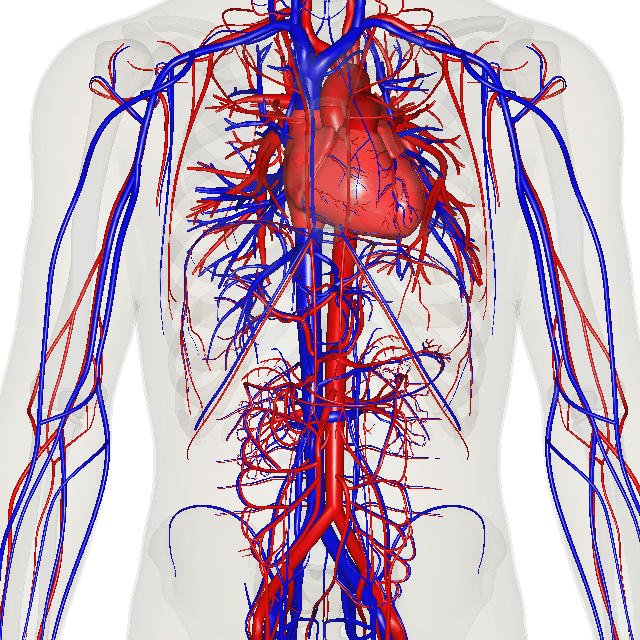
heart and the blood vessels of the body

sphygomamometer
a device used to measure blood pressure
This unit for me was the most interesting out of all of the units we have done so far. I am fascinated by the structure and function of the heart and how critical the organ is to our survival. The cardiovascular system is incredibly complex and learning about all of the different structures it contains and functions it has was interesting. This unit I did feel I studied much more frequently and did not cram as much as I did for the last unit. I studied incredibly hard for the temp checks that we had and that allowed me to remember most of the information for the test. All I needed to do was review and test myself in order to prepare for the test. One setback I did encounter was the notebook check. I realized my notebook became more and more disorganized and as a result I had forgotten to do one relate and review causing me to lose 10 points. I will work on my organization of the notebook much more on the next unit making sure to keep it up to date.
For the remainder of the semester my main goal is to learn as much as I can. I do not care as much about how well I do on the tests as I do to being able to understand the information and apply it to my own life. I realize that in the future, I will probably be studying the human body as a bio-medical engineer. This is a potential career path I have chosen as the human body fascinates me. I hope to start studying more for my own learning and knowledge, reading more of the textbook and learning more about the different organ systems than just taught in class.
structure of the human heart
heart and the blood vessels of the body
sphygomamometer
a device used to measure blood pressure
Tuesday, October 13, 2015
Blood Pressure
Analysis Question:
Compare the systole to diastole.
The diastolic pressure is the blood pressure when the ventricles relax. The systolic pressure occurs when the ventricles contract.
2. What equipment is used to measure heart rate? Blood Pressure?
A stethoscope is use for heart rate, and a sphygomomanometer is used for blood pressure
3. Why is using your thumb to measure pulse not ideal?
The thumb has its own pulse that can conflict with ones actual pulse.
4. In your own words how do you measure blood pressure?
First the cuff must be fitted snuggly around the arm. Then inflate the cuff to around 150 mmhg. Then let the cuff rest and use the stethoscope to hear the pressure. Record the number when the pressure can be heard. Then slowly deflate the cuff. Record the pressure when the pulse cannot be heard. You have now measured blood pressur

 e.
e.
Compare the systole to diastole.
The diastolic pressure is the blood pressure when the ventricles relax. The systolic pressure occurs when the ventricles contract.
2. What equipment is used to measure heart rate? Blood Pressure?
A stethoscope is use for heart rate, and a sphygomomanometer is used for blood pressure
3. Why is using your thumb to measure pulse not ideal?
The thumb has its own pulse that can conflict with ones actual pulse.
4. In your own words how do you measure blood pressure?
First the cuff must be fitted snuggly around the arm. Then inflate the cuff to around 150 mmhg. Then let the cuff rest and use the stethoscope to hear the pressure. Record the number when the pressure can be heard. Then slowly deflate the cuff. Record the pressure when the pulse cannot be heard. You have now measured blood pressur


Thursday, October 8, 2015
Unit 2 Health
Health is basically a persons mental, physical, and social well being. In order to truly be healthy one must first understand the pillars of health and how they tie into ones daily life. There are 5 pillars which are, exercise, nutrition, social, stress, and sleep. Only through the correct balance of all these pillars can one be considered a healthy individual.
I consider myself a healthy individual, with one exception, the amount of sleep I get. On average I believe that I get around 5-6 hours of sleep on a regular school day. However, this value can drop depending if I have major projects or tests that I need to prepare for on the following day. There have even been some days where I have been unable to sleep at all. I believe that this not only affects me but all of the students at SHS in some similar way. The only way to truly cope with this lack of sleep is to take naps during the day and carry out better time management skills, that include not procrastinating.
The themes and essential understandings of this unit were, nutrition, exercise, sleep, stress, and social, basically all of the pillars of health. We went into detail for each pillar and how they affect the human body. We also talked about the major hormones at play in our body such as insulin, leptin, glucagon, and cortisol, and how they cause the body to respond and react to different stresses in the environment.
I learned a lot about nutrition and stress during this unit. I learned all about the foods that I should be eating, and the macronutrients, which are carbohydrates, proteins, and lipids. I also learned about all of the unhealthy foods that are out there as well as the healthy ones that I should be eating. I have been able to apply all of this knowledge to my daily life as I have now been changing my diet based on what I have learned.
I still do not fully understand stress and how it impacts the body. I am confused as to what hormones come into play and how they affect the body. I am also confused as to what are the different stages of stress and how they affect the person being stressed.
Next unit I will improve by studying more frequently rather than cramming for tests. I will also improve by applying more of the knowledge that I learn in class to my daily life.
Health goals:
gain ten pounds of muscle by the end of the year
have a 6 pack
be able to run a 5 minute 30 second mile time
Health collage illustrating the different pillars of health

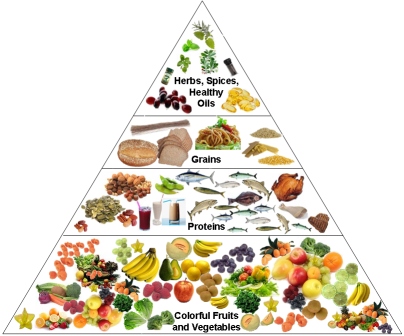
Food Pyramid

Stages of Stress
I consider myself a healthy individual, with one exception, the amount of sleep I get. On average I believe that I get around 5-6 hours of sleep on a regular school day. However, this value can drop depending if I have major projects or tests that I need to prepare for on the following day. There have even been some days where I have been unable to sleep at all. I believe that this not only affects me but all of the students at SHS in some similar way. The only way to truly cope with this lack of sleep is to take naps during the day and carry out better time management skills, that include not procrastinating.
The themes and essential understandings of this unit were, nutrition, exercise, sleep, stress, and social, basically all of the pillars of health. We went into detail for each pillar and how they affect the human body. We also talked about the major hormones at play in our body such as insulin, leptin, glucagon, and cortisol, and how they cause the body to respond and react to different stresses in the environment.
I learned a lot about nutrition and stress during this unit. I learned all about the foods that I should be eating, and the macronutrients, which are carbohydrates, proteins, and lipids. I also learned about all of the unhealthy foods that are out there as well as the healthy ones that I should be eating. I have been able to apply all of this knowledge to my daily life as I have now been changing my diet based on what I have learned.
I still do not fully understand stress and how it impacts the body. I am confused as to what hormones come into play and how they affect the body. I am also confused as to what are the different stages of stress and how they affect the person being stressed.
Next unit I will improve by studying more frequently rather than cramming for tests. I will also improve by applying more of the knowledge that I learn in class to my daily life.
Health goals:
gain ten pounds of muscle by the end of the year
have a 6 pack
be able to run a 5 minute 30 second mile time
Health collage illustrating the different pillars of health

Food Pyramid
Stages of Stress
Wednesday, September 23, 2015
Monday Wellness Reflection
https://docs.google.com/presentation/d/1UsKihVjtmiED1CpwnmNkNjWoY4piPAqKse-z3wJKnO8/edit
I have always wondered why music brings back memories. I was curious as to what parts of the brain functioned when this happened. This is one of the major reasons that I chose this topic. I also wanted to find out the other health benefits of listening to music. The answers to the questions of why we are so eager to dance along to music, why does music increase our physical performance, as well how music can increase productivity all drew me to choose the topic of music and how it affects the human body. These questions all relate to my life, as I listen to music on a daily basis, from when I am exercising, doing homework, or just relaxing at home.
I came across many interesting things while preparing the presentation. I came across many studies relating to the reason why music brings back these deeply ingrained memories. One study showed the different parts of the brain at work and I learned a lot about what these regions of the brain are responsible for. I also came across another video that presented how this type of mental stimulation was beneficial for Alzheimer's patients, another fact I found extremely interesting. I also found it interesting learning just how much music can affect productivity and memorization. In some cases listening to a certain music can increase productivity 30 percent while listening to other types can decrease productivity by the same amount. I found this interesting as I always listen to music while doing work, and that the type of music I listen to can affect my work performance.
My topic is important for health and wellness as music can have many health benefits. Listening to music can help physically when one does exercise as it distracts one from the exercise at hand and can increase physical performance so much as 20 percent. Listening to music can also help one relax and calm down, reducing stress. Music has been deeply ingrained in the human brain. Listening to different music has evolved the brain to where it is now, and as a result music has proven to be an extremely important in human life. It can help us recall even the farthest back of memories as well as help treat mental disorders. These are only a couple of the health benefits of music, however, they prove that listening to music can have a profound impact on one’s life.
On a scale of 1-10 I would rate myself a 9. I would rate myself this for many different reasons. The first being that I practiced my presentation many times. I tried to know the topic at hand and not have to read off note cards during the presentation. I also believe that my presentation had enough energy and liveliness to interest the class and not have them fall asleep. During my presentation I also tried very hard to keep the class interested and end the presentation on time so we did not have any awkward time doing nothing at the end of the presentation. I believe that my presentation went very well and as a result I believe that I would rate myself a 9.
Wednesday, September 16, 2015
Health

Subscribe to:
Posts (Atom)